
Blog
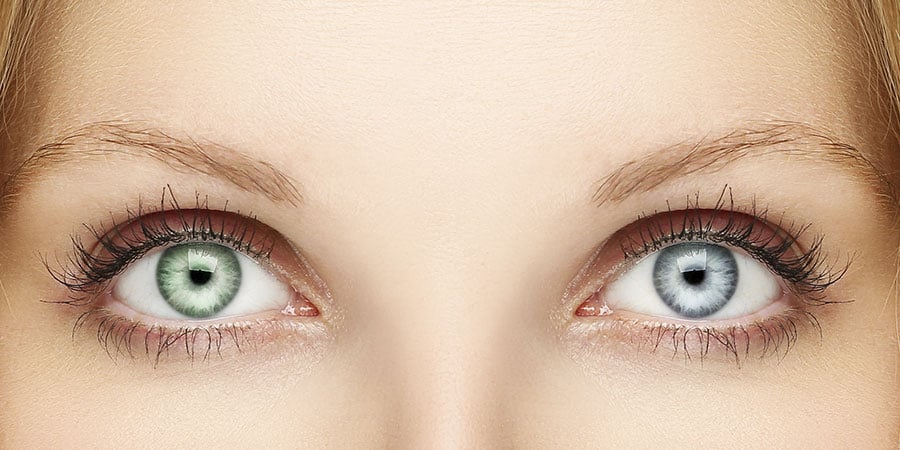
Having different colour eyes, which is known as heterochromia, is a condition present in a significant number of the world’s population, including some of the most well-known actors, actresses, and entertainers.
Read more
As any scuba diver or snorkeler will surely tell you, underwater vision can be a fascinating and rewarding experience. The reason why your unaided vision goes blurry underwater requires a basic discussion of the behaviour of light rays and the human eye.
Read more
Sunglasses aren’t just ideal tools for completing outfits. Apart from being great fashion accessories, the right pair of shades also provides excellent protection against glare, ultraviolet (UV) rays, and everyday physical hazards. One thing to keep in mind, however, is that not all kinds are created equal. Knowing what type of sunglasses to look for—and what defence they offer—is critical to making your next purchase.
Read more
Though I knew that the recovery from LASIK is usually quick and virtually painless, I was still nervous when I went in for my procedure.
Read more
According to a long-term research study from the University of Copenhagen, it’s likely that anyone with blue eyes shares a common ancestor. While variation in human eye colour is caused by at least 15 separate genes, mutation in a single gene produces blue, and can be traced to a specific DNA location.
Read more
Contact sports are risky, and not being able to see clearly makes them even riskier.
Read more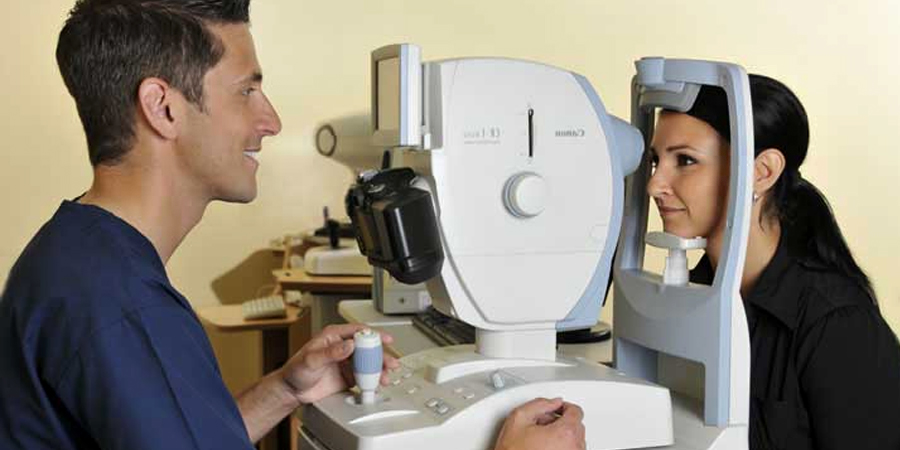
The first LASIK corrective procedure took place in 1992, though the treatment can trace its roots back much farther: to the development of keratomileusis in the 1960s, and the evolution of photorefractive keratectomy (PRK) in the 1970s. Combined, these technologies paved the way for the modern Advanced Custom Wavefront LASIK and All-Laser LASIK procedures.
Read more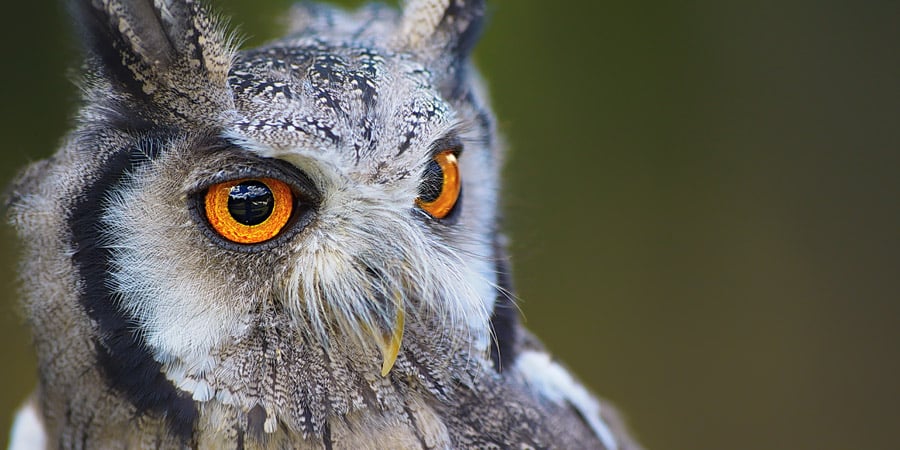
The scariest eyes in the animal kingdom can be found in jungles dense and dark, in skies gray and tempestuous, and even in oceans murky and deep. These sets of eyes are indeed spooky ones best seen from afar, if at all.
Read more
Eye shapes play a crucial role in vision. The eye works by focusing light as it passes through the cornea and the crystalline lens. The light travels through the vitreous humour, a clear gel filling the inside of the eye, and hits the retina at the back of the eye.
Read more
Prospective laser vision correction candidates often wonder if there is a best time to get LASIK: should they have it in the summer or hold out until fall? What about winter, or spring? Will they have to miss a vacation or special event while they recover? In reality, any time is a great time for LASIK. Here’s why.
Read more