
Blog

When the modern version of eyeglasses was invented in the late 18th century, the event was hailed as a technological triumph. Now, poorly prescribed and fitted glasses can cause more trouble than they’re worth. In fact, laser vision correction procedures have advanced to the point where eyeglasses are now the low-tech option.
Read more
Everyone has probably noticed some redness in the white of their eyes at one point or another. This condition is appropriately called red eye, and is the main sign of eye inflammation. The majority of the time, painless red eye is caused by conjunctivitis, which is inflammation of the thin layer of tissue covering the eyeball and inner surface of the eyelids.
Read more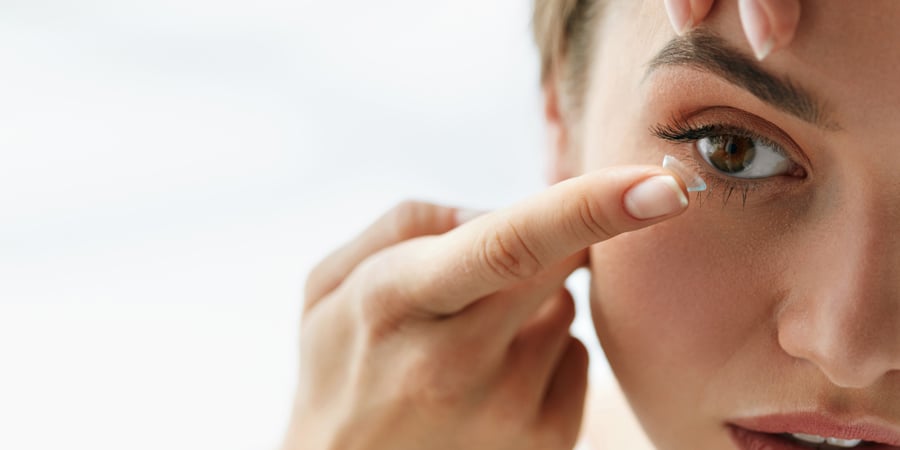
People who live an active lifestyle are often searching for an alternative to contact lenses. Contacts offer many benefits over glasses, but have many shortcomings of their own.
Read more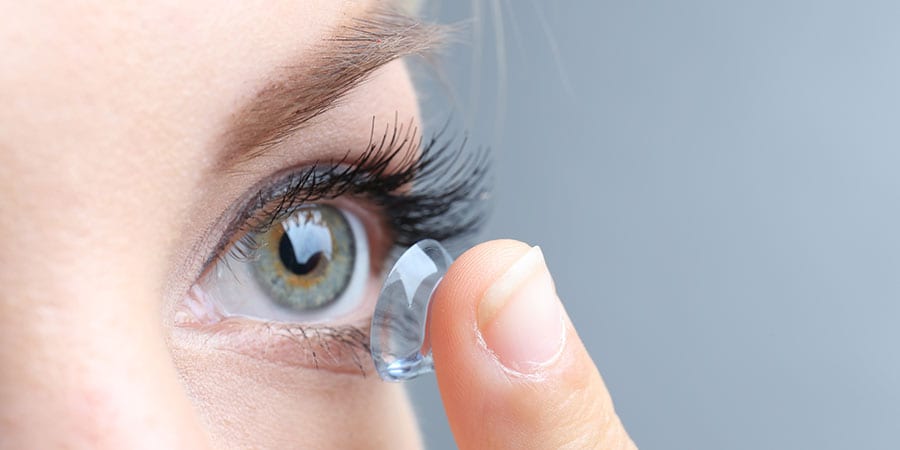
Most people don’t realize the importance of properly fitting contact lenses. As the name suggests, the whole point of contact lenses is for them to contact your eyes—which brings some inherent risks compared to standard glasses.
Read more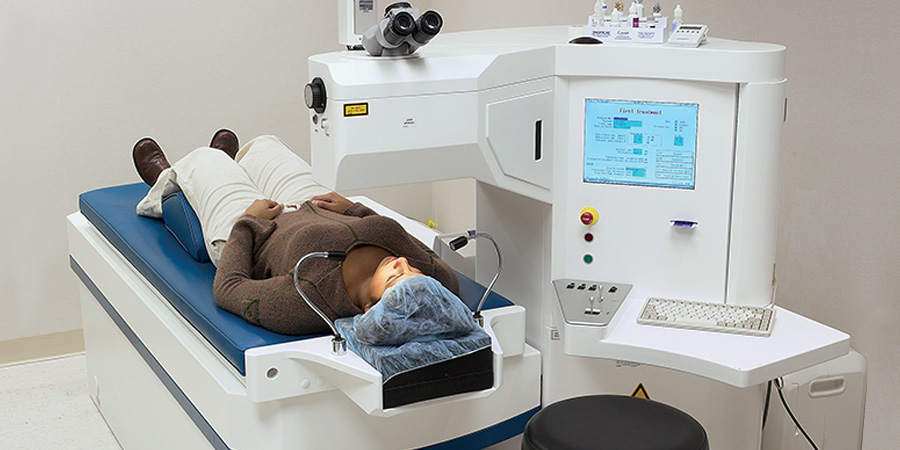
When considering undergoing laser vision correction, it is very normal to wonder: how is LASIK done? Here is a step-by-step description of the simple process the surgeon follows with every procedure.
Read more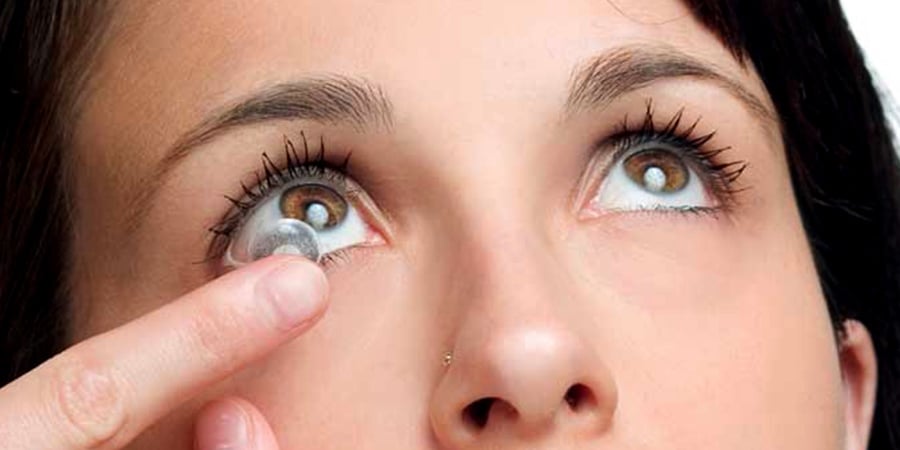
Contact lenses definitely have some benefits over wearing eyeglasses, unfortunately, wearing contact lenses comes with a relatively common and sometimes dangerous side effect; contact lens intolerance. Contact lens intolerance—also known as CLI is a catch-all term for people who are no longer able to apply a lens to their eyes without pain.
Read more
Hand eye coordination is fundamental to human learning. In fact, data from a study conducted by Indiana University shows this kind of coordination is critical in bond development between young children and their caregivers. “Gaze following” (or looking in the same direction as a parent) is important. The ability to see caregivers handling objects and then mimicking their behavior is maybe even more essential.
Read more
Driving at night can be an extremely dangerous activity, especially when factors such as inclement weather, a tired driver, or a driver’s less-than-perfect vision are taken into account. However, there are many things drivers can do to make nighttime driving safer.
Read more
Eye floaters are little specks or strands that appear to move across the eye. They are extremely common, especially as people age; according to the Harvard Health Blog, about two-thirds of people develop floaters by the time they are 80 years old. For most people, floaters are harmless.
Read more
Is X-Ray vision possible?
Read more