

Blog
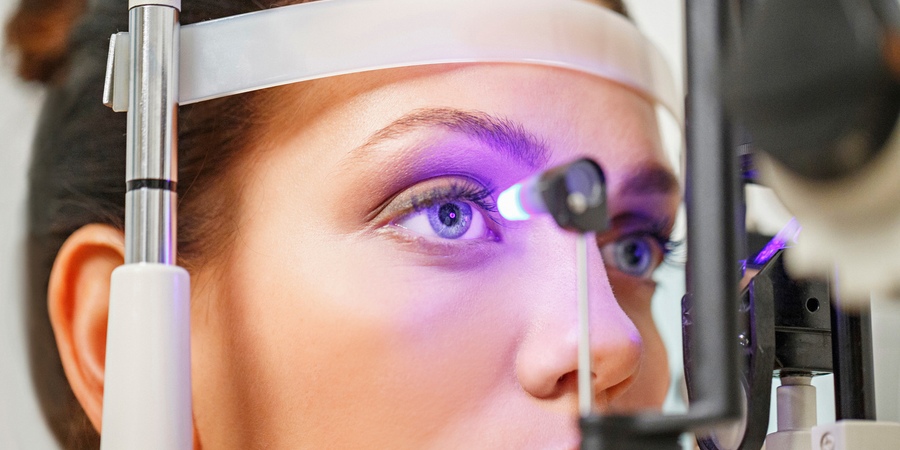
A comfortable LASIK recovery: understanding and managing temporary dry eye symptoms
Temporary dry eye is a normal, short-lived part of the LASIK healing process as your corneal nerves naturally regenerate. Most patients experience only mild symptoms that improve significantly within the first month and fully resolve in three to six months with simple at-home care like lubricating eye drops.
Why dry eye happens after LASIK
During LASIK, your surgeon creates a thin flap in the cornea to reshape the tissue underneath. This process temporarily affects the corneal nerves responsible for signaling your eyes to produce tears. With less signal reaching the tear glands, tear production can dip in the days and weeks after surgery.
This is a well-documented and expected part of healing, not a sign that anything has gone wrong. As the nerves regenerate, the communication between your eye's surface and its tear-producing glands is restored, and normal tear production returns.
- Nearly all patients notice some dryness in the first days after LASIK
- The underlying cause is temporary corneal nerve disruption, not a lasting change to the eye
- Tear production recovers gradually as nerve regeneration progresses
Common dry eye symptoms to expect
Dry eye after LASIK can feel different from person to person, but the symptoms generally fall into a familiar pattern.
- A gritty or sandy sensation, as though something is in the eye
- Mild stinging or burning, especially in air-conditioned or windy spaces
- Fluctuating vision that sharpens after blinking
- Watery eyes, which can occur alongside dryness as the eye overcompensates
- Increased sensitivity to bright light or screens
How long dry eye typically lasts
Most patients see steady improvement rather than a sudden fix. The table below outlines a general recovery pattern.
Timeframe | What is typical | What to watch for |
|---|---|---|
Dryness, grittiness, and light sensitivity are common and often most noticeable | Symptoms that are severe rather than mild to moderate | |
Frequency of artificial tears starts to decrease for most patients | No improvement at all during this window | |
Noticeable reduction in dryness as corneal nerves regenerate | Worsening symptoms instead of gradual easing | |
Most patients report symptoms resolved or minimal | Persistent dryness that still limits daily activities | |
A smaller group of patients may still need occasional drops | New or worsening symptoms this far out warrant an evaluation |
A small percentage of patients need longer-term management, and your surgeon can tailor a plan if symptoms extend past the typical window.
Practical ways to manage dry eye at home
Use your prescribed drops on schedule. Preservative-free artificial tears are the first line of comfort and are safe to use as often as needed throughout the day.
Give screens regular breaks. Staring at a screen reduces blink rate. Following the 20-20-20 rule, looking 20 feet away for 20 seconds every 20 minutes, helps keep the tear film even.
Add moisture to your environment. A humidifier helps in dry indoor air, and avoiding direct airflow from fans, vents, or car heaters reduces evaporation.
Wear wraparound sunglasses outdoors. These reduce wind and UV exposure, both of which can aggravate dryness during healing.
Stay hydrated. Adequate water intake supports overall tear production, particularly in hot or dry climates.
Avoid rubbing your eyes. Rubbing can irritate the healing surface further. A clean, cool compress is a safer way to soothe discomfort.
Who is more likely to experience longer dry eye
Certain factors make some patients more prone to extended dry eye symptoms. Your surgeon reviews these with you before surgery.
- A history of dry eye or contact lens intolerance before LASIK
- Being female or post-menopausal, due to hormonal effects on tear production
- A higher degree of nearsightedness or a larger treatment area
- Extended daily screen time
- Certain autoimmune conditions or medications that reduce tear production
When to contact your surgeon
- Symptoms feel severe rather than mild to moderate
- Dryness is not improving at all after the first few weeks
- Vision stays consistently blurry rather than fluctuating and clearing
- You notice pain, significant redness, or discharge alongside the dryness
Ready to see what LASIK could mean for you?
Talk with a specialist who can assess your eyes, answer your questions, and walk you through what to expect from consultation to recovery.
Frequently asked questions
Is dry eye after LASIK normal?
Yes. Most patients experience some degree of dry eye in the days and weeks following LASIK, as the corneal nerves involved in tear production temporarily heal.
How long does dry eye last after LASIK?
Most patients see significant improvement within the first month and full resolution within three to six months. A smaller number of patients need longer-term management.
Can I prevent dry eye before it starts?
You cannot fully prevent it, since it is a normal part of corneal healing, but using prescribed drops consistently and limiting screen time in the first days can reduce severity.
Will dry eye affect my vision results?
No. Dry eye is a comfort symptom during healing and does not affect the long-term accuracy of your vision correction.
What eye drops should I use after LASIK?
Your surgeon will prescribe specific drops for the early healing period. Preservative-free artificial tears are generally recommended for ongoing comfort afterward.
Can screen time make dry eye worse?
Yes. Screen use reduces your natural blink rate, which can intensify dryness. Regular breaks and conscious blinking help offset this.
Is dry eye more common in certain patients?
Patients with a history of dry eye, contact lens discomfort, or hormonal changes may notice more pronounced symptoms, though most still see steady improvement.
When should I be concerned about dry eye after LASIK?
If symptoms are severe, not improving after a few weeks, or come with pain or discharge, contact your surgeon for an evaluation.
Ready to see if you qualify for LASIK eye surgery?
Talk with a specialist who can assess your eyes, answer your questions, and help you know what to expect before and after surgery.
Author: Mina Mazumder, Content & Communications Specialist
Medical disclaimer:
This article is for informational purposes only and does not constitute medical advice. Always consult a qualified healthcare professional for diagnosis and treatment of any medical condition.